
Plantar fasciitis treatment in Roanoke, VA at Highland Spine + Sport combines chiropractic care, soft tissue therapy, dry needling, and sports rehabilitation to relieve heel pain, correct the root cause, and get you back to walking, running, and daily life comfortably, without surgery.
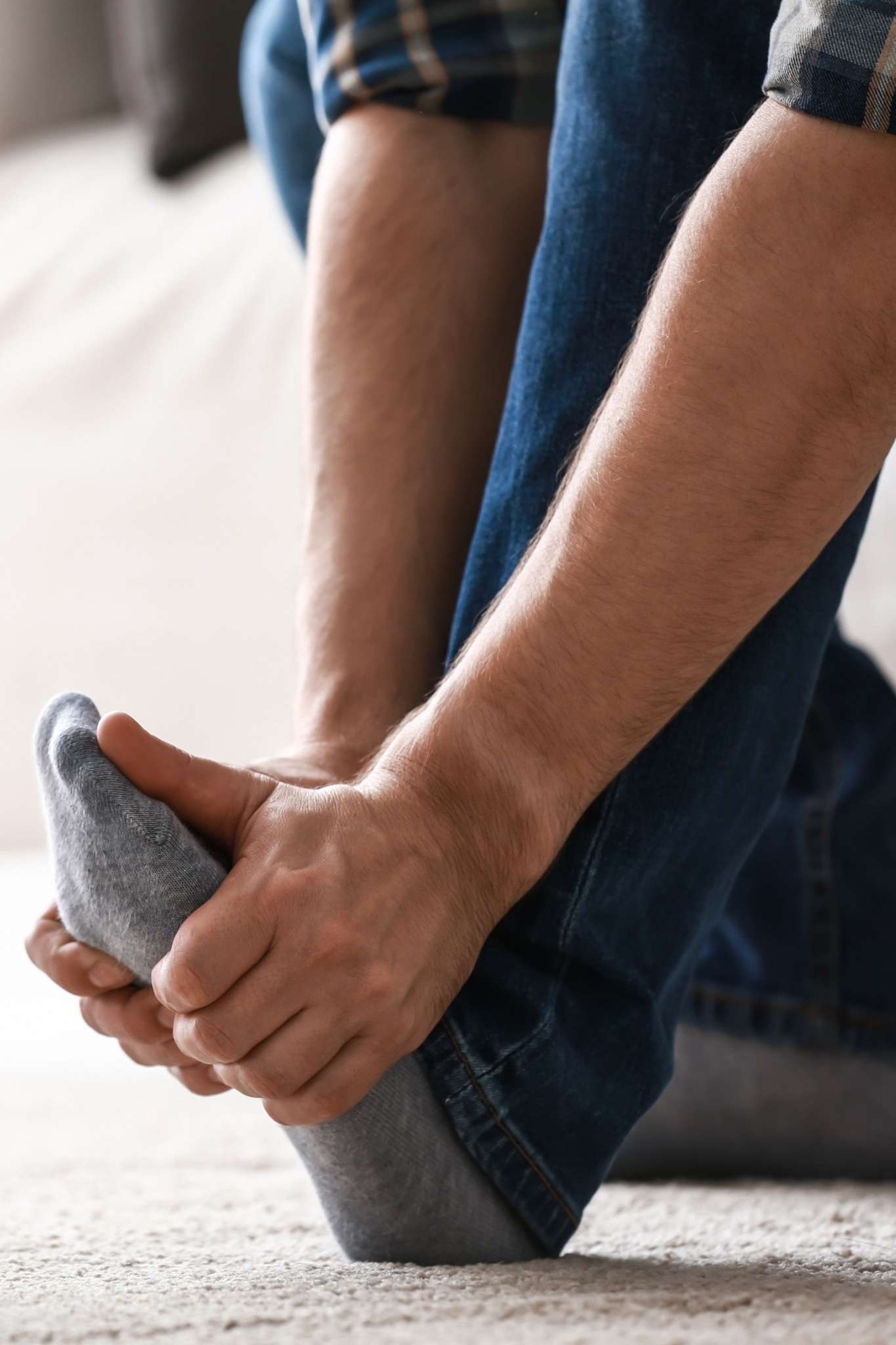
You ease out of bed, plant your feet, and a sharp stab shoots through your heel. It settles by midmorning, then roars back after you sit at your desk or finish a long shift on your feet. If that cycle sounds familiar, you're likely dealing with plantar fasciitis, one of the most common causes of heel pain we treat in active adults across Roanoke.
We know how discouraging this feels, especially when rest and stretching haven't done the trick. You want to keep hiking the Blue Ridge, jogging the Roanoke River Greenway, and standing through your workday without wincing. So we focus on why your heel hurts, not just quieting the pain for a day or two.
Here's what you'll find on this page:

Your plantar fascia is a thick band of tissue running along the bottom of your foot, from your heel to your toes. It supports your foot arch and absorbs shock with every step. Overload it, and small tears and irritation follow. That's plantar fasciitis.
The pain usually settles near the heel, though it can spread through the arch. It feels worst with your first steps in the morning or after long stretches of rest, because the fascia tightens while you're off your feet.
We start with a full evaluation, not a quick glance at your heel. That difference is what separates lasting relief from a temporary fix.
Most people describe a stabbing or burning pain at the base of the heel. Catching these signs early matters, because plantar fasciitis responds best when you treat it sooner rather than later.
Give rest, ice, and supportive footwear a fair try for a couple of weeks. Reach out to us if you notice any of these:
You don't have to wait until it's unbearable. Early, targeted care usually means a smoother, faster recovery.
Plantar fasciitis rarely comes from one single thing. It builds from repeated stress and how your whole body moves. That's exactly why treating only the foot often leaves people stuck in a frustrating loop of flare-ups.
Common drivers include:
Here's the part most treatments miss. Your heel is where you feel the pain, but it's often not where the problem starts. Tight calves, limited ankle mobility, or weak hips can quietly overload the plantar fascia every time you take a step.
Picture a Cave Spring hiker whose calves stay tight after every Blue Ridge trail. Or a South Roanoke nurse standing 12 hours on hard floors. Or a Grandin runner adding miles too fast. Each heel hurts for a different reason, so each one deserves a different plan.
Treat the foot alone, and the stress that caused the problem stays put. That's why recurrence is so common, and why we look at the whole chain, from your toes to your hips.
Use this chart to understand what your symptoms might mean and when to act. It's educational, not a diagnosis, so when in doubt, book an appointment.

You're not looking for a quick patch. You want to keep moving, whether that means trails in the Blue Ridge, laps along the Roanoke River Greenway, weekend runs through Salem, or simply a workday without pain.
We meet you there. Our care is personalized, evidence-based, and built to return you to what you love while lowering your odds of a repeat. That focus on root-cause treatment, whole-body movement assessment, return-to-activity planning, and recurrence prevention is what sets us apart from generic heel pain advice.
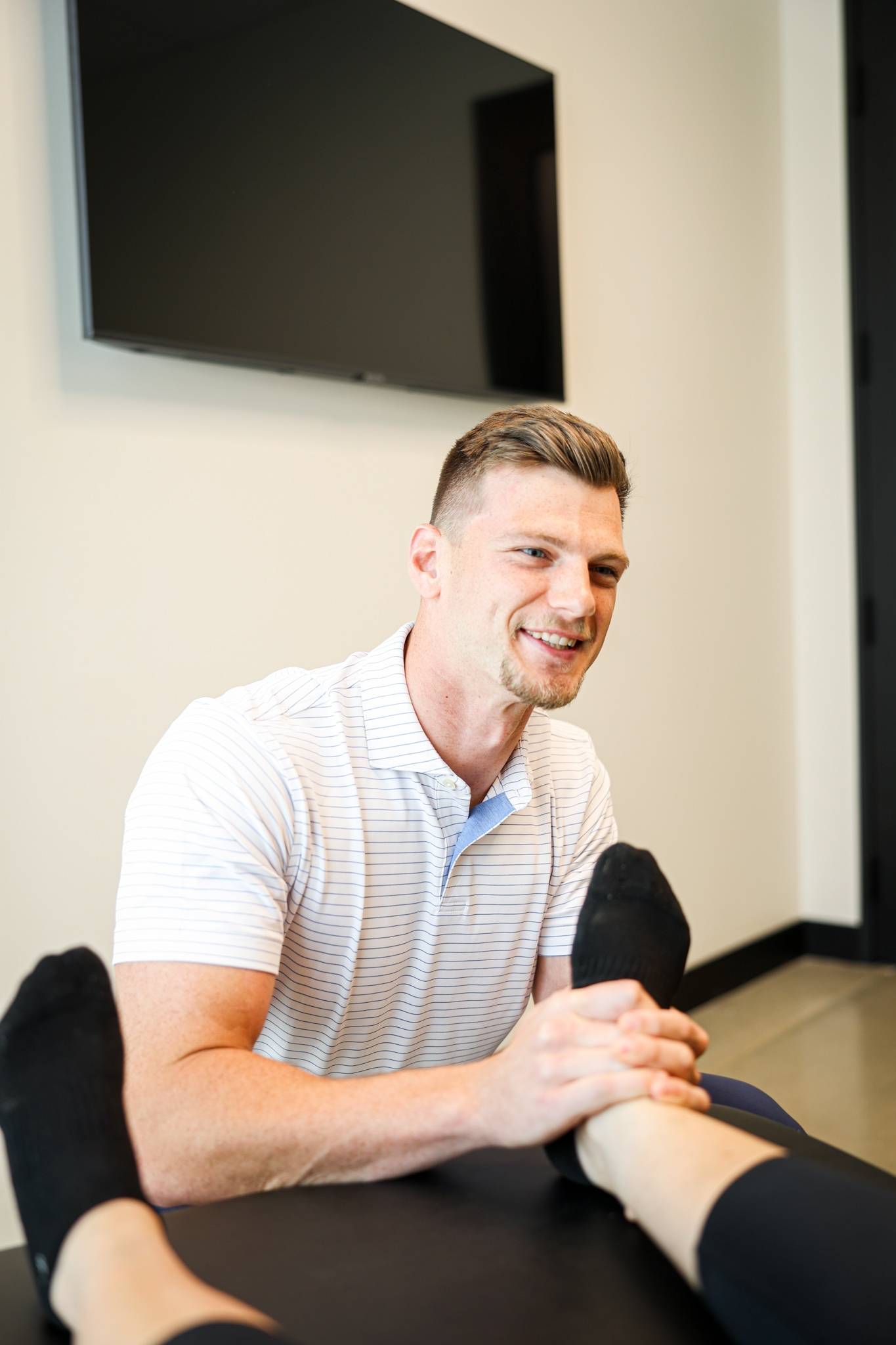
We build every plan around a thorough movement assessment. Instead of studying your heel in isolation, we look at how your feet, ankles, calves, hips, and posture work together. This whole-body view helps us find the true source of your pain and keep it from returning.
Our non-surgical approach blends four proven, complementary services.
Our chiropractic care for movement-related pain restores joint function and improves ankle mobility. When your feet, ankles, and hips move well together, your heel carries far less strain with every step.
Tight, restricted tissue in the calves, arch, and heel keeps the fascia under constant tension. Our soft tissue therapy releases those restrictions, boosts circulation, and helps the tissue heal and glide the way it should.
Trigger points and muscular tightness in the lower leg often feed heel pain. Our dry needling for calf and lower-leg tension targets those tight bands to calm irritation, ease pain, and restore normal muscle function.
Lasting relief comes from building strength and resilience. Through sports rehabilitation for strength and return to activity, we guide you through progressive exercises that strengthen your feet, calves, and hips, sharpen mobility, and lower your risk of another flare-up.
Everything happens under one roof, so your plan stays coordinated and personal. When heel pain has changed how you walk and impacts other parts of your body, our knee pain treatment in Roanoke, VA and sciatica treatment options can support your full recovery.
You deserve to walk, hike, run, and work without dreading that first morning step. Our Roanoke team is ready to pinpoint the true source of your heel pain and get you moving comfortably again.
Don't wait for the pain to change how you move. Call Highland Spine + Sport today at (540) 339-7911 to schedule your evaluation and start your personalized, non-surgical recovery plan.
Plantar fasciitis usually feels like a sharp, stabbing pain at the bottom of your heel. It's often worst with your first steps in the morning or after resting, then flares again after long periods of standing or activity.
Overnight, your plantar fascia tightens and shortens while you rest. Those first steps stretch the tight tissue suddenly, which triggers the sharp heel pain so many people feel each morning.
Yes. Most cases improve with non-surgical plantar fasciitis treatment. At Highland Spine + Sport, we combine chiropractic care, soft tissue therapy, dry needling, and sports rehabilitation to relieve pain and address the root cause, no surgery required.
The best treatment depends on why your heel hurts. A personalized plan that addresses fascia tension, calf tightness, ankle mobility, and overall movement mechanics tends to outperform any single fix used on its own.
Often, yes, with adjustments. We help you modify your running, hiking, or workouts so you stay active while your foot recovers, then guide a gradual return to full activity.
Yes. Highland Spine + Sport provides non-surgical plantar fasciitis and heel pain treatment for active adults across Roanoke, Salem, Cave Spring, and the surrounding area. Call (540) 339-7911 to schedule your evaluation.
Join our email list to stay up to date with the the clinic!