
Hip pain can come from hip bursitis, a labral tear, osteoarthritis, hip flexorstrain, or sciatic nerve irritation. At Highland Spine + Sport, we identify the root cause and build a personalized, non-surgical treatment plan using chiropractic care, soft tissue therapy, and dry needling to help you move freely again.
You've been training for the Blue Ridge Marathon. Or you hike Carvins Cove every weekend. Maybe you play pickleball at Wasena Park, hit the gym before work, or simply try to stay active in a body that feels less cooperative than it used to. Then hip pain arrives, and suddenly every step, every stair, and every morning feels like a test.
We hear this story often at Highland Spine + Sport on Brambleton Avenue SW. Hip pain is one of the most common reasons active adults in their 40s and 50s walk through our doors, and the most common mistake they make is waiting too long to get answers.
This page gives you the information you deserve: what's actually causing your hip pain, what your options look like, and how we help people throughout Roanoke, Cave Spring, Salem, and Grandin Village get back to the activities they love, without surgery or guesswork.

The hip joint is a ball-and-socket structure built for strength and range of motion. It bears your body weight through every step, squat, stride, and climb. When something goes wrong, the pain can feel deep, diffuse, and difficult to pinpoint, because the hip doesn't work in isolation. It's connected to your pelvis, your lower back, and every muscle running through your core and legs.
Hip pain affects a wide spectrum of patients, from young athletes to older adults dealing with degenerative changes. Understanding what's driving your specific pain is the foundation of effective treatment.
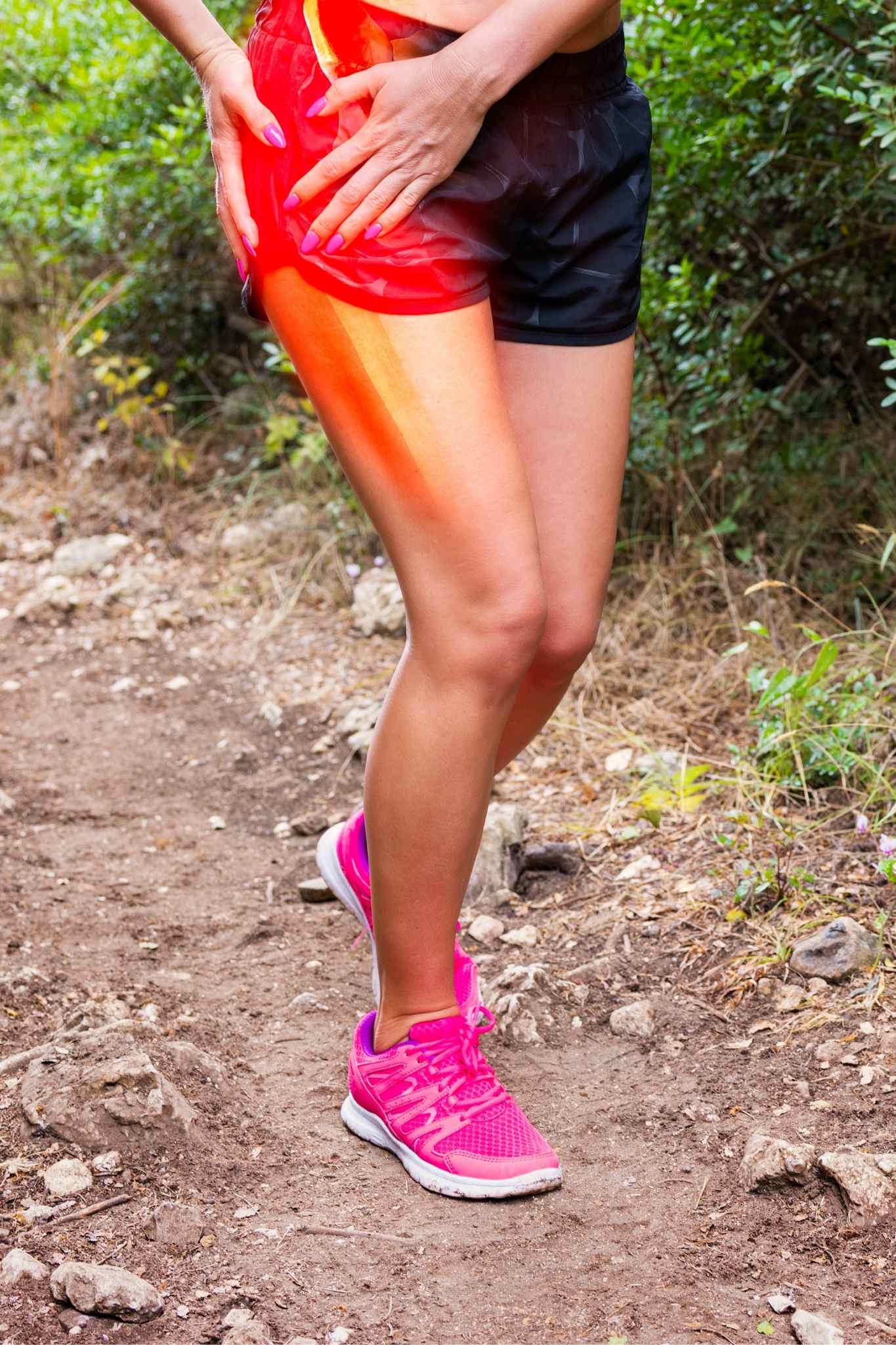

Most mild hip soreness responds well to rest. But these signs tell you it's time to book an evaluation rather than hope it resolves onits own:
Seek immediate care if you experience severe pain following a fall, an inability to bear weight, visible deformity, or fever alongside joint pain. These can indicate a fracture or infection that requires urgent medical attention.

Most people researching hip pain online find pages that list causes or point toward imaging and surgery, and then stop. That leaves a gap: the practical, functional context that explains why your hip hurts and what non-surgical care can actually achieve for you day to day.
At Highland Spine + Sport, we focus on filling that gap. We help you understand how your movement patterns, lifestyle, and biomechanics contribute to your pain, and then we build a plan that addresses those patterns directly. The CDC's physical activity guidelines reinforce the long-term value of staying mobile and active, and that's exactly what we help you do.
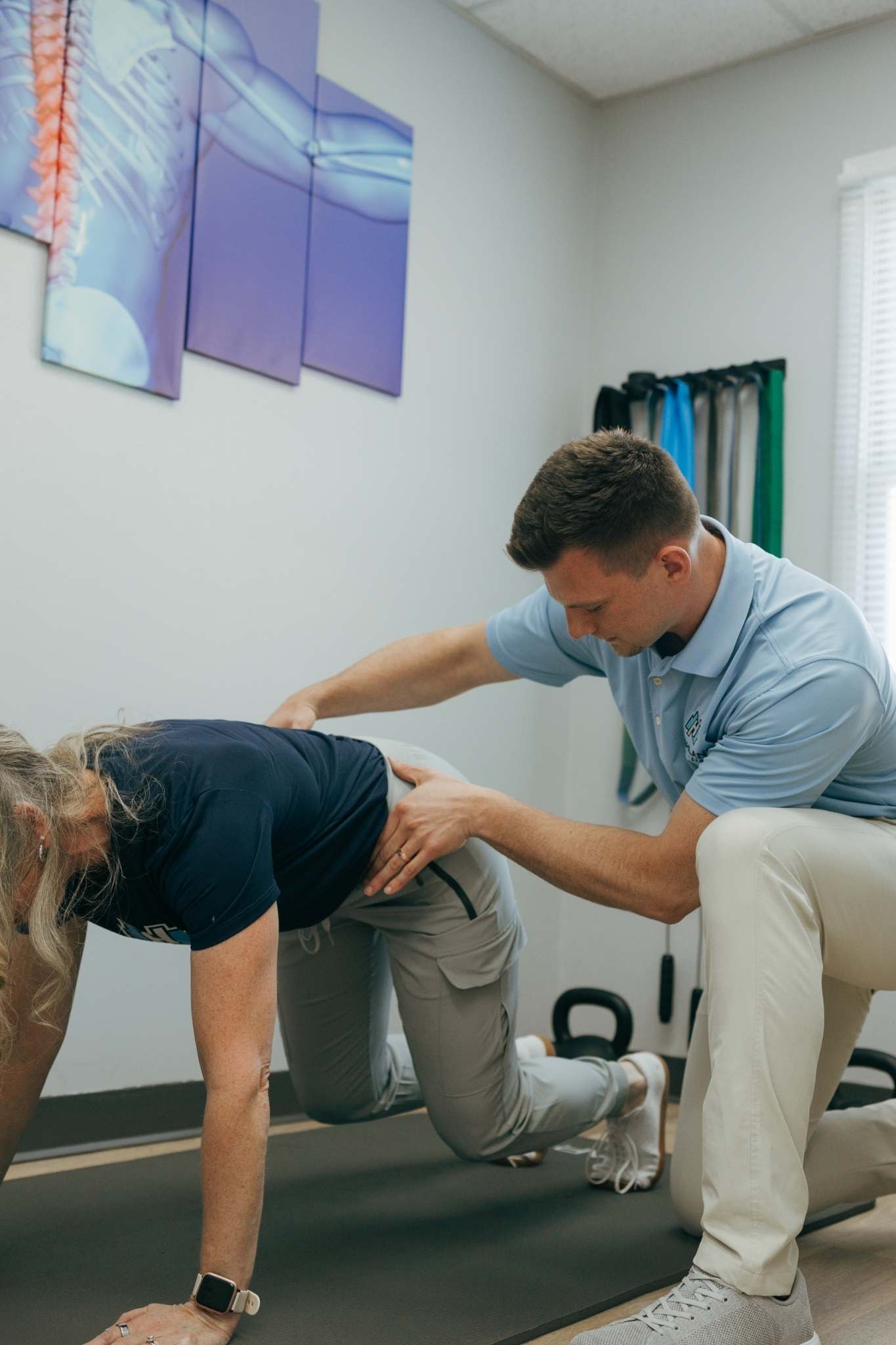
Dr. Matthew Amos, a former collegiate athlete and the lead provider at our Roanoke clinic, brings deep expertise in chiropractic care, dry needling, soft-tissue methods, and progressive exercise to every evaluation. His background in sports medicine and movement science means he looks beyond where the pain is and asks why your body is struggling in the first place.
We follow three clear phases with every patient: Evaluate, Eliminate, and Elevate. We start by assessing your movement, joint mechanics, and medical history to pinpoint the root cause. We then apply targeted therapies to eliminate the barriers driving your pain. We close with education, personalized home exercises, and performance strategies that make results last.
Our chiropractic care services restore proper alignment to the hip joint, pelvis, and lumbar spine. When these structures are misaligned, the hip compensates in ways that accelerate wear, increase inflammation, and limit motion. Targeted adjustments reduce mechanical stress on the hip joint, improve your range of motion, and relieve pain associated with conditions like osteoarthritis, hip impingement, and sacroiliac dysfunction.
Soft tissue therapy, including massage-based manual techniques and targeted stretching, addresses the tight muscles and fascial restrictions that develop around an overloaded or injured hip. Hip flexor strain, hip bursitis, and labral irritation all produce muscle guarding that, if left untreated, becomes its own source of pain. We break that cycle by releasing tension, improving circulation, and restoring the natural length and elasticity of the tissue surrounding your hip joint. According to National Institutes of Health, soft tissue care is a core component of recovery for muscle strains, and it's equally important for the hip structures that support every step you take.
Dry needling targets trigger points in the deep hip muscles, including the piriformis, glute medius, and hip flexors, that refer pain into the hip joint and down the leg. By inserting a thin filiform needle directly into these contracted bands of tissue, we interrupt the pain-spasm cycle, restore blood flow, and help the muscle return to normal function. It's one of the most effective tools we have for stubborn hip pain that hasn't responded to other approaches, particularly when the sciatic nerve is involved.
For runners, hikers, gym-goers, and pickleball players who want to get back to full performance, our sports rehabilitation program builds the strength, stability, and movement patterns that protect the hip joint long-term. We also provide at-home progressions you can follow between sessions so your recovery doesn't stall when you leave the clinic.
Whether you're a runner sidelined by outer hip pain, a hiker dealing with stiffness that won't quit, or a desk worker who's noticed their hip tightening up through the day, we can help. Highland Spine + Sport serves the active Roanoke community, from Grandin Village to Cave Spring to Salem and every neighborhood in between.
Not sure yet whether your pain is coming from your hip, your back, or something else entirely? That's exactly what your first visit is for. Dr. Amos will walk you through a thorough movement assessment, explain what he finds in plain language, and outline a clear plan built around your goals. You'll leave with answers, not just a follow-up appointment.
Explore the full list of conditions we treat or learn more about Dr. Amos and our team before your visit. When you're ready, call us at (540) 339-7911 or book an appointment online. Our clinic at 2705 Brambleton Ave SW, Roanoke, VA 24015 is ready to beyour partner in moving better and feeling better.
Hip pain in adults most commonly comes from hip bursitis, hip flexor strain, labral tears, osteoarthritis, or sciatic nerve irritation. Muscle imbalances and poor movement mechanics often contribute by placing excess stress on the hip joint over time. A professional evaluation helps identify which factor, or combination of factors, is driving your specific pain.
Yes. A chiropractor evaluates the hip joint, pelvis, and lumbar spine to identify mechanical dysfunction that contributes to pain and limited motion. Chiropractic adjustments reduce joint stress, improve alignment, and restore range of motion. Combined with soft tissue therapy and dry needling, chiropractic care addresses the root cause of hip pain rather than just the symptoms.
Hip bursitis typically causes sharp or aching pain on the outer hip, often worsening when you lie on the affected side, climb stairs, or engage in prolonged activity. The pain can radiate down the outer thigh and is commonly mistaken for IT band syndrome. It tends to ease with rest early on, but without treatment, it often becomes persistent.
It could be. Sciatic nerve irritation originating in the lumbar spine often refers pain through the hip and into the leg, closely mimicking a hip joint problem. If your pain travels below the hip, comes with tingling or numbness, or worsens with prolonged sitting, sciatic nerve involvement is worth investigating. Our evaluation process assesses both possibilities.
Hip flexor strain responds well to soft tissue therapy, including massage-based manual techniques to release tightness, chiropractic care to address any related pelvic or lumbar alignment issues, and progressive exercise to restore strength and flexibility. Dry needling can accelerate recovery when trigger points are involved. Following a structured return-to-movement plan makes a meaningful difference.
Seek emergency care if you have severe pain after a fall or trauma, an inability to bear weight, visible deformity, or fever with joint pain. For persistent pain lasting more than two to three weeks, recurring hip pain that limits your activity, pain that radiates into your leg, or a clicking or locking sensation in the hip joint, schedule a professional evaluation rather than waiting it out.
Dr. Amos will ask you detailed questions about your symptoms, activity level, and health history. He'll then assess your posture, gait, and joint movement to identify the mechanical cause of your pain. He'll explain his findings clearly, outline a treatment plan designed around your goals, and may provide initial hands-on care or at-home exercises the same day. The goal of your first visit is to give you answers and a path forward.
Join our email list to stay up to date with the the clinic!