
Elbow pain treatment in Roanoke, VA starts with a hands-on exam of your elbow, wrist, and shoulder to find the true source of irritation. At Highland Spine + Sport, we blend chiropractic care, soft tissue therapy, dry needling, and sports rehabilitation to calm pain, rebuild grip strength, and get you moving again, without surgery.

You reach for a coffee mug and feel a sharp twinge. Your grip fades halfway through a workout. That friendly handshake stings more than it should. Small moments like these tell you your elbow needs attention.
Here's the reassuring part. You don't have to be a tennis player or golfer to develop this kind of pain, and most cases improve without surgery. We help active adults and repetitive-use workers across Roanoke, Cave Spring, Salem, Southwest Roanoke, and the wider Roanoke Valley understand what's happening and get back to the activities they love.
This page walks you through the common patterns, what causes them, when to seek care, and exactly how our team builds a personalized plan around you.

Elbow pain rarely arrives out of nowhere. It usually builds slowly as your forearm tendons absorb repeated stress until they get irritated. Recognizing your pattern is the first step toward relief.
You may be dealing with a treatable overuse injury if you notice:
If a few of these sound familiar, you're likely facing elbow tendonitis, tennis elbow, or golfer's elbow. All three respond well to conservative, movement-based care.
Here's a quick way to connect what you feel to what's likely happening and how we help.
These two conditions get mixed up often, and the difference guides your treatment. Both are overuse injuries involving the forearm tendons, but they affect opposite sides of the elbow.
Tennis elbow, known clinically as lateral epicondylitis, irritates the wrist extensor tendons on the outside of the elbow. Golfer's elbow, or medial epicondylitis, affects the wrist flexors on the inside. According to the American Academy of Orthopaedic Surgeons, most cases of tennis elbow improve without surgery, which matches what we see in our office every week.
You don't need to diagnose yourself. Bring us the symptoms, and we'll pinpoint the source during your visit.
A sore elbow is frequently the last link in a longer chain. When your wrist mechanics or shoulder mechanics fall short, your forearm tendons pick up the slack and pay the price.
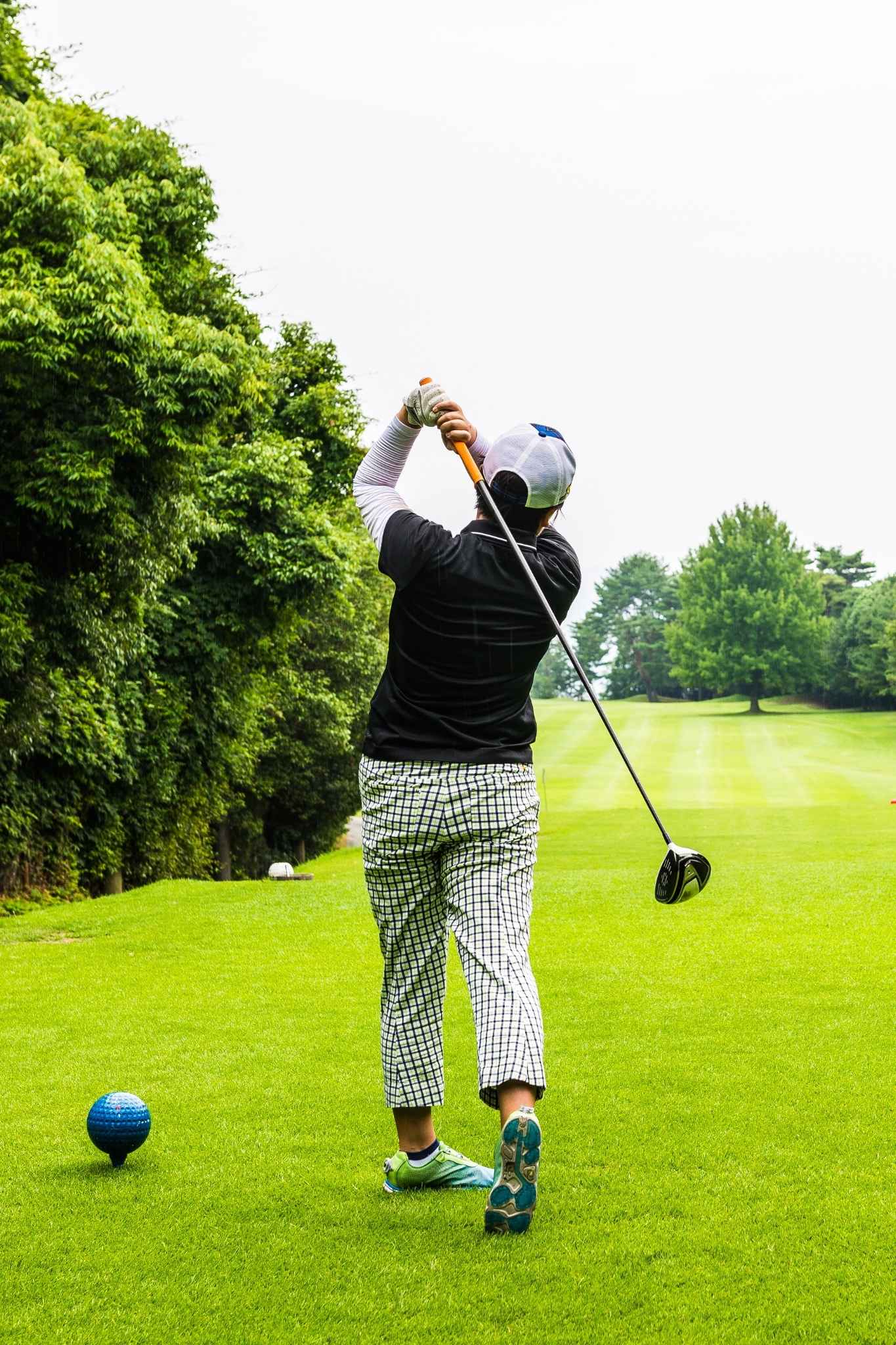
Picture a Salem golfer whose stiff shoulder forces the arm to work harder through every swing. Or a Southwest Roanoke desk worker whose wrist bends at an awkward angle for hours at a keyboard. In both cases the elbow hurts, but the elbow isn't the whole story.
This is why treating only the tender spot often brings short-lived results. Tennis elbow stems from overloaded tendons, not a single injury. We look at how your entire arm moves together, so your relief lasts.
Mild soreness after a new activity often settles on its own. Certain signs, though, mean it's time to get checked.
Reach out to a provider if you notice:
Early care usually means a faster, smoother recovery. Waiting too long can let a manageable overuse injury settle into a stubborn one.

You deserve to understand your body, not just receive a quick fix. Every evaluation is built around that goal.
Your first visit typically includes:
From there, we explain what we found in plain language and outline a clear path forward. You leave knowing what's happening and what comes next.
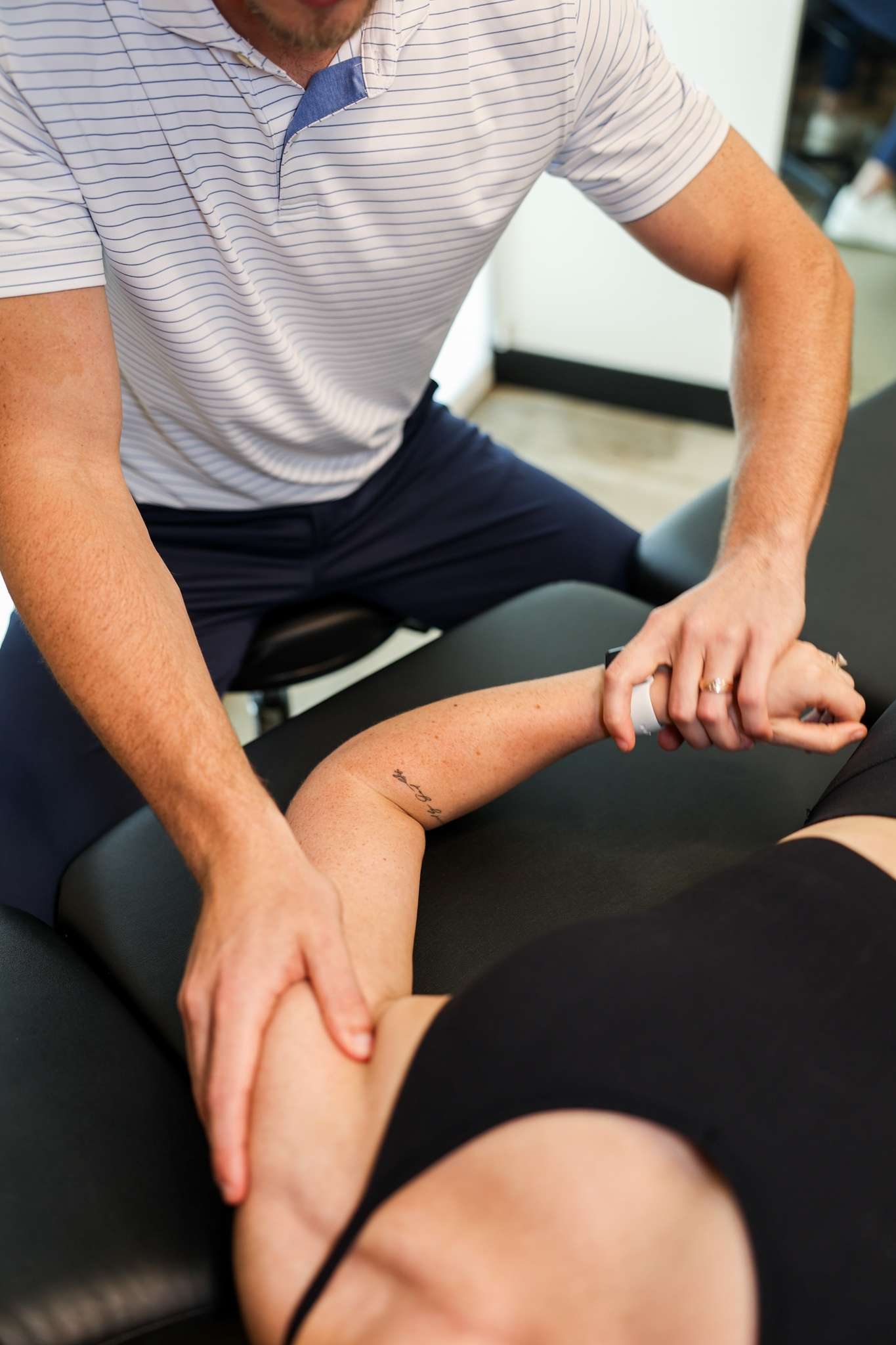
We don't hand out one-size-fits-all care. Instead, we guide you through recovery in stages, blending proven, hands-on therapies that match where your body is right now.
The first goal is settling the angry tendons. Our soft tissue therapy for forearm tension releases tight, overworked muscles and improves blood flow so healing can begin. For stubborn trigger points, dry needling for overworked forearm muscles uses thin needles to ease tension deep in the tissue. We'll also guide smart activity changes so you keep moving without feeding the pain.
Once pain calms, we improve how your elbow, wrist, and shoulder work together. Gentle, targeted chiropractic care for joint mobility restores motion and takes pressure off the irritated tendons. Better mechanics mean less strain with every grip, lift, and swing.
Relief is only half the job. Our sports rehabilitation program for active recovery rebuilds grip strength, tendon load tolerance, and clean movement so the pain doesn't return. Think of a lifter progressing from pain-free carries back to full rows and presses, or a pickleball player easing onto the court with confidence.
When it helps, we add dynamic taping to support your movement and remind your body of better mechanics as you return to golf, the gym, or a full workday. This keeps you active while your tendons finish healing.
Our mission is simple. We provide personalized, patient-centered chiropractic care that empowers you to take charge of your health and keep doing what you love.
That shows up in real ways. We explain what's driving your pain instead of leaving you guessing. We build evidence-based plans around your goals, whether that's returning to the Cave Spring links, keeping up with your training, or simply carrying groceries without a wince. We treat the whole movement chain, not just the sore spot.
We're proud to serve the Roanoke Valley community, and we take that connection seriously. When you leave our office, you should feel informed, supported, and confident about your next step.
You deserve to grip, lift, swing, and work without holding back. Our team blends expert chiropractic care, soft tissue therapy, dry needling, and sports rehabilitation into a plan made just for you.
Take the first step today. Call us at (540) 339-7911 to schedule your assessment, and let's get you moving comfortably again across Roanoke, Cave Spring, Salem, and nearby communities.
Yes. A chiropractor for elbow pain can improve joint mechanics, release tight forearm muscles, and guide targeted rehab. At Highland Spine + Sport, we combine chiropractic adjustments, soft tissue therapy, and rehabilitation to treat the root cause of elbow pain, not just the symptoms.
Tennis elbow, or lateral epicondylitis, causes pain on the outside of the elbow and affects the wrist extensor tendons. Golfer's elbow, or medial epicondylitis, causes pain on the inside and affects the wrist flexor tendons. Both are overuse injuries we treat without surgery.
Gripping and lifting load the forearm tendons that attach at the elbow. When those tendons are irritated from repetitive strain, that load triggers pain. A weak grip and discomfort during everyday tasks are classic signs of an overuse injury.
Yes, and it often does. Poor wrist or shoulder mechanics can overload the forearm tendons at the elbow. That's why we assess the whole arm chain rather than the elbow alone, which helps you get lasting relief instead of a temporary fix.
Usually not. Most cases of tennis elbow, golfer's elbow, and elbow tendonitis respond well to non-surgical care like chiropractic care, soft tissue therapy, dry needling, and sports rehabilitation. We focus on conservative treatment first to help you avoid unnecessary procedures.
Recovery varies by person and severity. Many people notice meaningful improvement within a few weeks of consistent, conservative care. Full tendon healing can take longer, which is why we pair pain relief with strengthening so the problem doesn't return.
Get evaluated if pain lasts more than one to two weeks, grip weakness worsens, symptoms keep returning, or the pain disrupts sleep, work, or sports. Early care usually leads to a faster, smoother recovery.
Often yes, with smart modifications. We help you adjust load, grip, and movement so you stay active without aggravating the tendon. As you heal, we progress you back to full training through a structured rehab plan.
Join our email list to stay up to date with the the clinic!